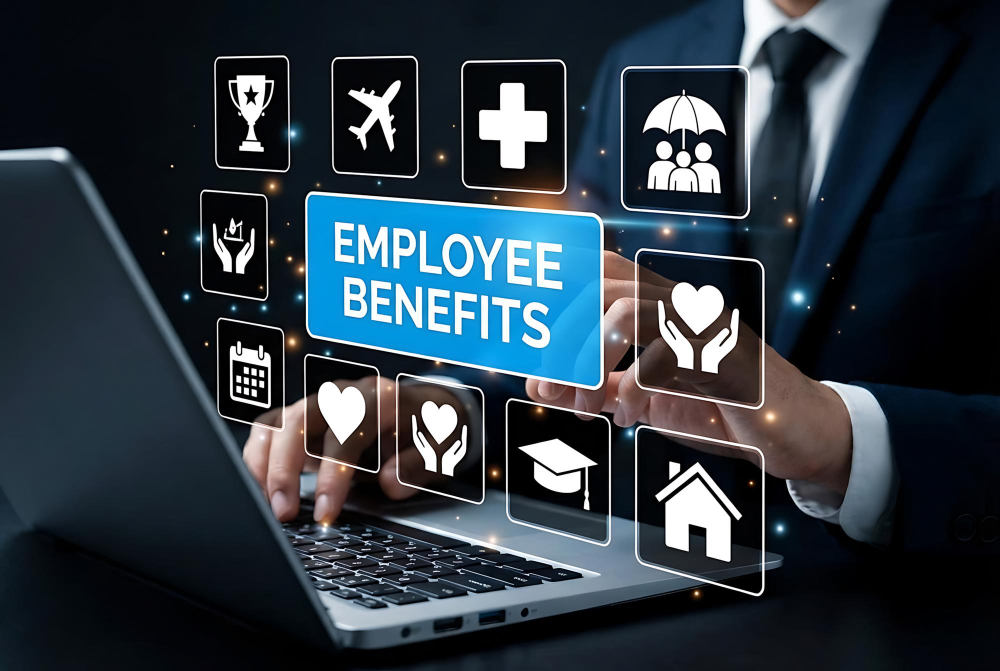
Employee benefits trends in India 2026 point to one clear shift: benefits are becoming personal, digital, and continuous, instead of a once-a-year HR exercise. As companies compete for talent across metros and tier-2 hubs like Jaipur, Indore, and Nagpur, benefits have moved from a compliance checkbox to a real differentiator. According to industry estimates, India’s HR technology market is on track to cross $2.5–3 billion by 2026, and a large share of that growth is tied directly to benefits and engagement tools. For HR leaders, understanding these shifts is no longer optional.
Why Traditional Benefits Programs Fall Short in India
Most Indian benefits programs still run the way they did a decade ago, and that gap is starting to show.
- One-size-fits-all plans. A 24-year-old associate and a 45-year-old manager rarely want the same benefit.
- Annual, not continuous, enrolment. Employees forget what they signed up for by month three.
- Low awareness, lower usage. Many employees can’t name more than two of the benefits they’re entitled to.
- Fragmented logins. Separate portals for insurance, NPS, and rewards mean employees give up before they start.
- No usage data for HR. Without it, HR can’t tell which benefits actually move retention.
How to Build a Benefits Program That Keeps Up With 2026
Fixing this isn’t about adding more benefits. It’s about making the ones you already offer easier to find and use.
- Make enrolment continuous, not annual. Let employees adjust benefits when life changes, not just once a year.
- Move communication to WhatsApp. Channels employees already check daily get used far more than a portal they have to remember to log into.
- Personalise using data. Match benefits to age, role, and city instead of running one blanket policy for everyone.
- Treat financial wellness as core, not optional. Corporate NPS under Section 80CCD(2) lets employees deduct up to 14% of basic salary under the new tax regime — a real saving most employees don’t fully understand until HR spells it out.
- Bring mental health into the mainstream benefit stack. Teleconsultation and counselling access matter more than an EAP hotline nobody calls.
- Unify everything in one place. Platforms like Benefitwise pull insurance, NPS, rewards, and gift vouchers into a single WhatsApp-first experience, so employees aren’t juggling five logins for benefits they’re already paying for.
- Track usage, not just enrolment. An AI-driven happiness score, the kind built into Benefitwise, gives HR an early signal when engagement is slipping, well before it shows up in attrition numbers.
Benefitwise brings all of this together — WhatsApp-first delivery, 76+ HRMS integrations, and an AI happiness score that flags disengagement early. Explore Benefitwise →
A Quick Checklist Before You Renew Your Benefits Stack
- Does it support WhatsApp-based communication, not just email?
- Can employees adjust benefits outside the annual enrolment window?
- Does it cover insurance, NPS, and wellness together, not just rewards?
- Does HR get usage data, not just enrolment numbers?
The Bottom Line on Employee Benefits Trends in India 2026
The direction is clear. Employee benefits trends in India 2026 favour programs that are personal, continuous, and easy to use on a phone. Companies still running static, once-a-year plans will keep losing the retention battle to those that don’t. The fix isn’t more benefits — it’s making the ones already on offer easier to find, understand, and use, ideally through one connected platform.
The biggest trends are continuous, personalised enrolment, WhatsApp-first communication, and a stronger focus on financial and mental wellness. Companies are also investing in usage analytics so HR can see which benefits actually get used. This shift is driven partly by tier-2 hiring growth and rising employee expectations post-COVID.
Most employees don’t use their benefits because they simply don’t know what they have. Fragmented portals and one-time annual communication mean the details get forgotten within months. Regular, WhatsApp-based nudges tend to fix this far more effectively than a yearly email.
Yes, because it’s a channel employees already check multiple times a day, unlike a separate HR portal. This makes reminders about insurance, NPS, or rewards far more likely to be seen and acted on. Adoption rates are typically much higher than email-based communication.
Employees can claim a deduction on employer NPS contributions of up to 14% of basic salary under the new tax regime, or 10% under the old regime. This is over and above other deduction limits like Section 80C. It remains one of the few deductions still available under the new regime.
HR should look for a platform that unifies insurance, NPS, wellness, and rewards in one place, ideally with WhatsApp delivery and usage analytics. Zero IT dependency for configuration is also increasingly important for lean HR teams. Multi-city and multilingual support matters for companies hiring across tier-2 India.